16 نوفمبر, 2025

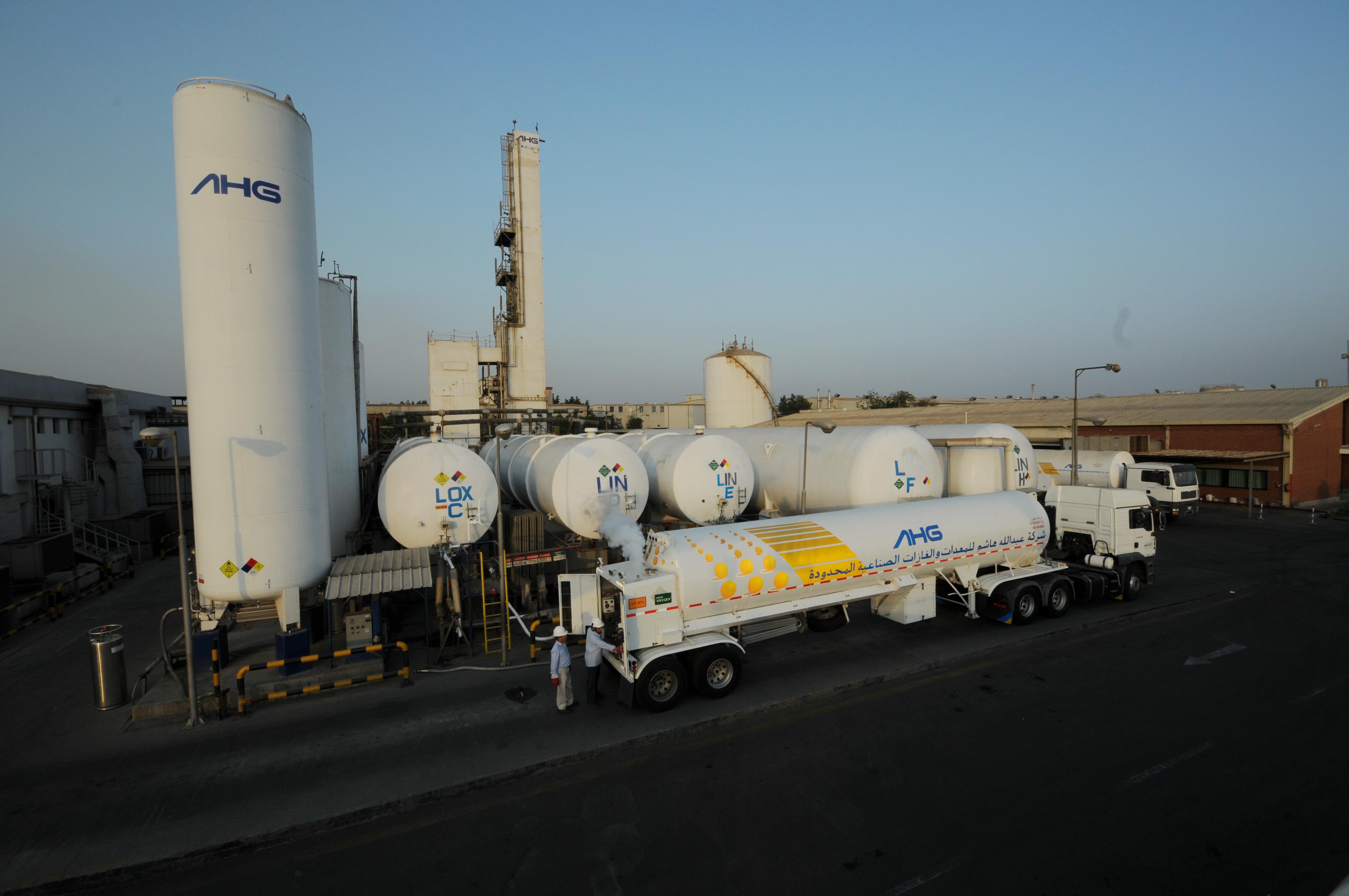
Carbon dioxide (CO₂) is a critical component of photosynthesis, the process by which plants convert light into energy. In natural outdoor conditions, atmospheric CO₂ levels are around 400 ppm (parts per million). However, in a controlled greenhouse environment, these levels can be artificially increased to 700–1,500 ppm by direct injection of CO2 , significantly boosting plant growth, yield, and quality. Direct injection occurs when Pure liquid or compressed CO₂ is stored in tanks and released into the greenhouse through a controlled delivery system. This ensures precise control over CO₂ concentration, optimizing plant uptake. Or for small-scale or temporary applications, solid CO₂ (dry ice) can be placed inside the greenhouse to sublimate into gas, slowly increasing CO₂ levels.
Benefits of CO₂ Enrichment in Greenhouses
• Increased Photosynthesis Efficiency – Higher CO₂ levels accelerate photosynthesis, leading to faster growth rates and higher crop yields.
• Enhanced Crop Quality – Plants grown under optimized CO₂ conditions often have larger leaves, thicker stems, and improved nutrient content.
• Shorter Growing Cycles – With faster plant development, growers can harvest crops more frequently, increasing overall productivity.
• Better Water Use Efficiency – Plants exposed to high CO₂ levels reduce their stomatal openings, leading to lower transpiration rates, which means they require less water to grow.
• Resistance to Environmental Stress – Enriched CO₂ can help plants withstand suboptimal conditions, such as low light, high temperatures, or limited water availability.
Economic & Environmental Impact
• Higher Revenue for Growers – Increased yield and improved crop quality lead to higher market value and better profitability.
• Reduced Resource Consumption – Since enriched CO₂ improves water and nutrient efficiency, it reduces overall agricultural inputs, making greenhouse farming more sustainable.
• Carbon Capture & Utilization (CCU) – Some greenhouses capture CO₂ from industrial sources and repurpose it for plant growth, contributing to carbon footprint reduction efforts.